MY VISION. MY WORLD.
BIO
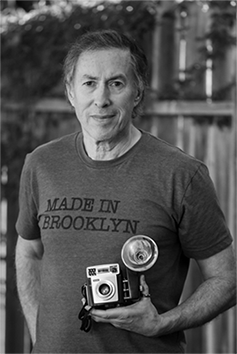
I was still in photographic diapers when my father handed me a Brownie Instamatic at the age of four, a camera I still have today.
By six, I was attending photo conventions in New York, and the passion was ignited.
That early spark became a lifelong pursuit of visual storytelling. After formal training and graduate studies in architecture, my photographic vision expanded beyond technique into structure, design, and narrative, elements that continue to define my work today.
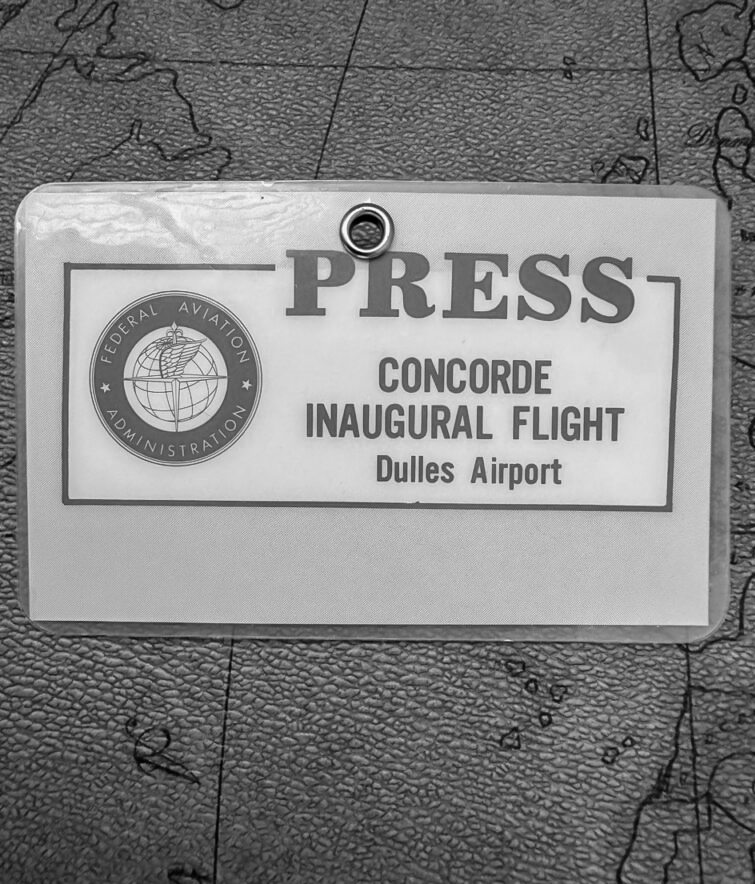
My career quickly moved into the international arena when I was hired as a contract photographer for Air France in New York. Assignments ranged from documenting the inauguration of the Concorde to extended projects across Japan, Southeast Asia, and Europe. Those early experiences shaped my ability to work fluidly across cultures while delivering images that are both visually compelling and strategically purposeful.
My travel photography has been represented by major agencies and published in leading travel and lifestyle outlets worldwide. Over time, I expanded into art direction with major New York agencies, giving me a dual perspective. I understand not only how to create strong imagery, but how imagery must perform within a brand strategy.
That combination of photographer and art director allows me to approach every assignment with both creative intuition and commercial clarity.
From tourism boards in Fiji and New Zealand to extended work throughout Asia, including a few years living and working in Saigon, I’ve built a reputation for capturing authentic, in-the-moment imagery that resonates with discerning audiences. Whether documenting a destination, culinary experience, or cultural story, my focus remains the same: create images that feel immediate, immersive, and refined.
Today, I continue to work with tourism boards, travel brands, and hospitality clients who value thoughtful storytelling, cultural sensitivity, and elevated visual presentation.
Beyond assignments, I remain committed to mentoring photographers and supporting the broader photographic community, because strong vision is not only something we create, it’s something we cultivate.
Photography teaches patience.
Be at one with your camera.
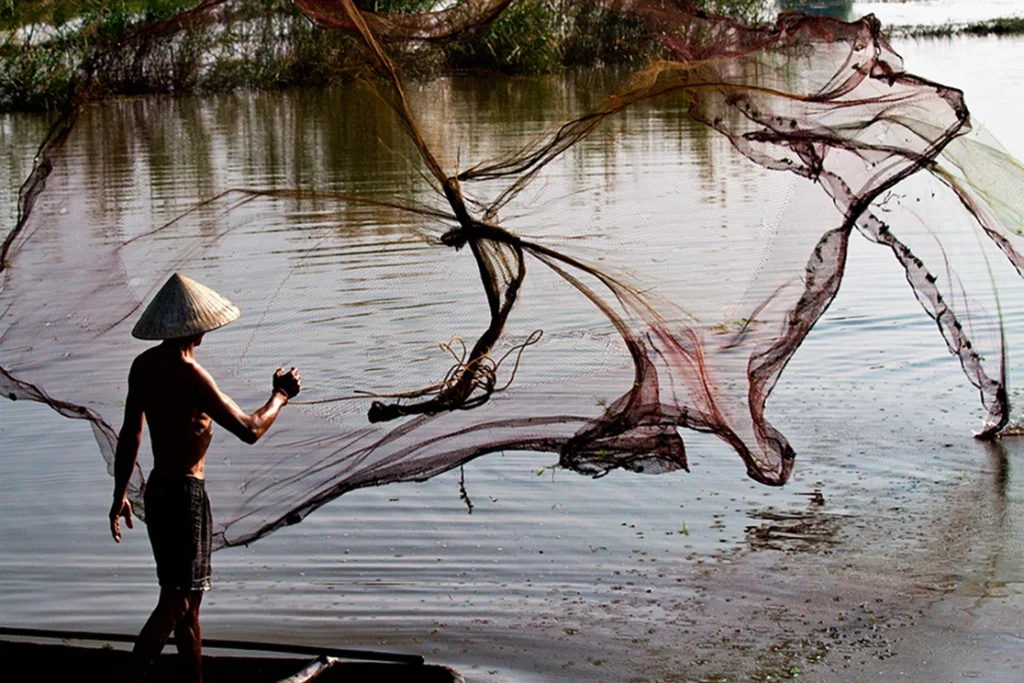
Ninh Binh, Vietnam – Net thrower
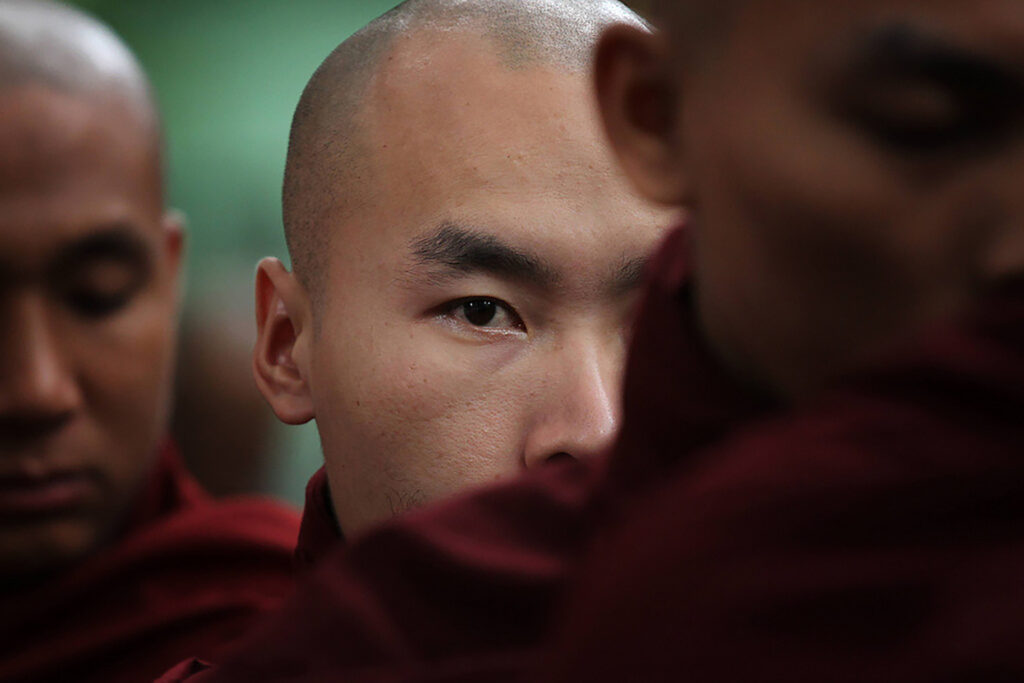
Mandalay, Myanmar – Monk’s eye
WORKING WITH THE ELEMENTS
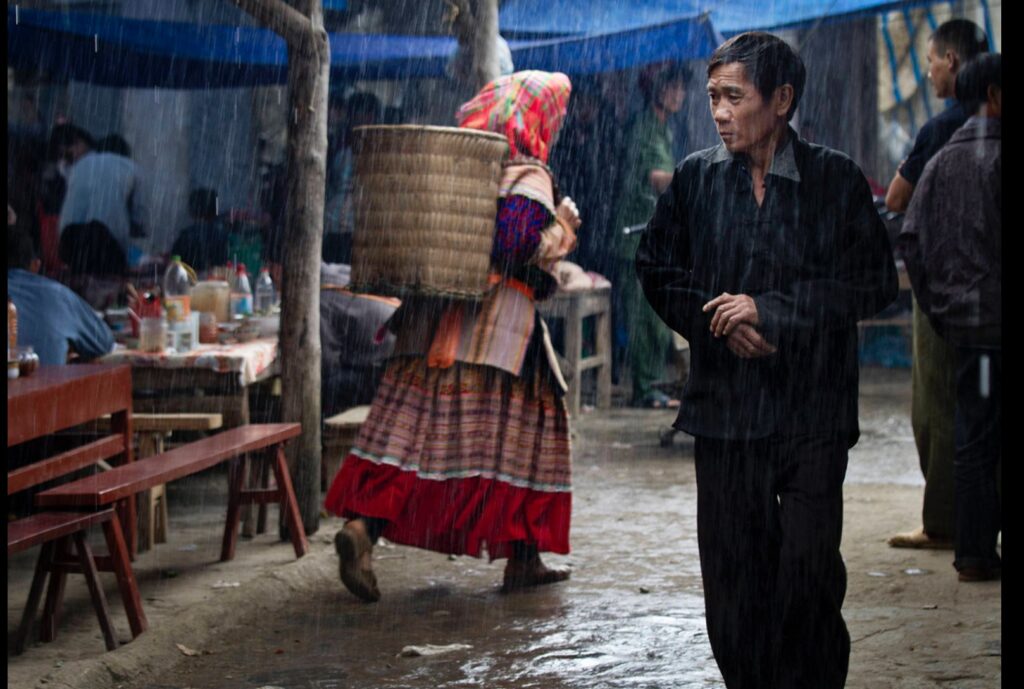
Bac Ha, Vietnam – Marketplace
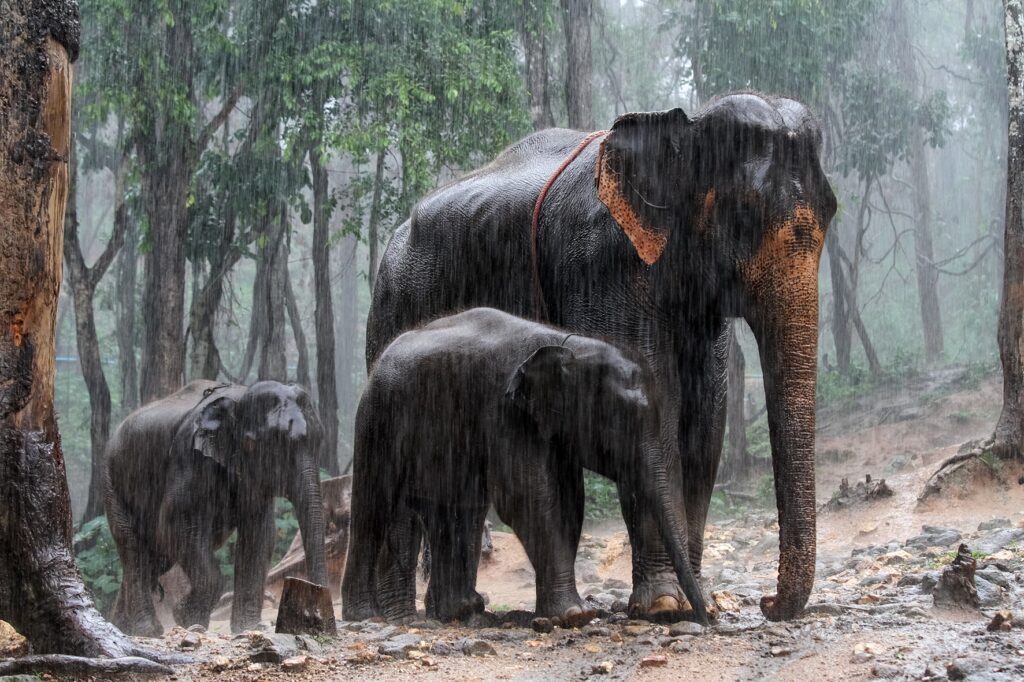
Chiang Mai, TH – Pattaya Elephant Preserve
STATEMENT
Most of us, myself included, were raised on film, and more often than not, it was black and white. One of the earliest lessons I learned was to see in tones. I still set one camera body to black and white to study the structure of a scene before pressing the shutter. If an image works in black and white, it will translate into color. The reverse is not always true.
My architectural training sharpened my instinct for composition and spatial relationships. Structure, balance, and visual rhythm are not afterthoughts; they are the foundation. Composition remains the single most important element in any photograph.
But beyond composition lies a more important question:
What is the image saying? What story is it telling?
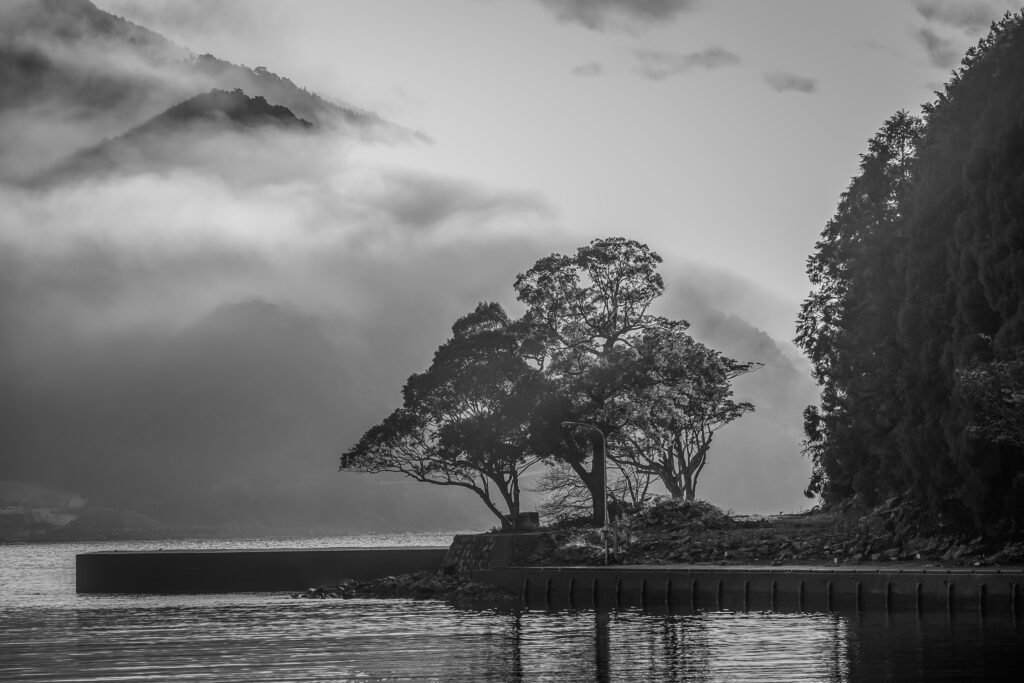
Mikisato, Japan – Serene morning
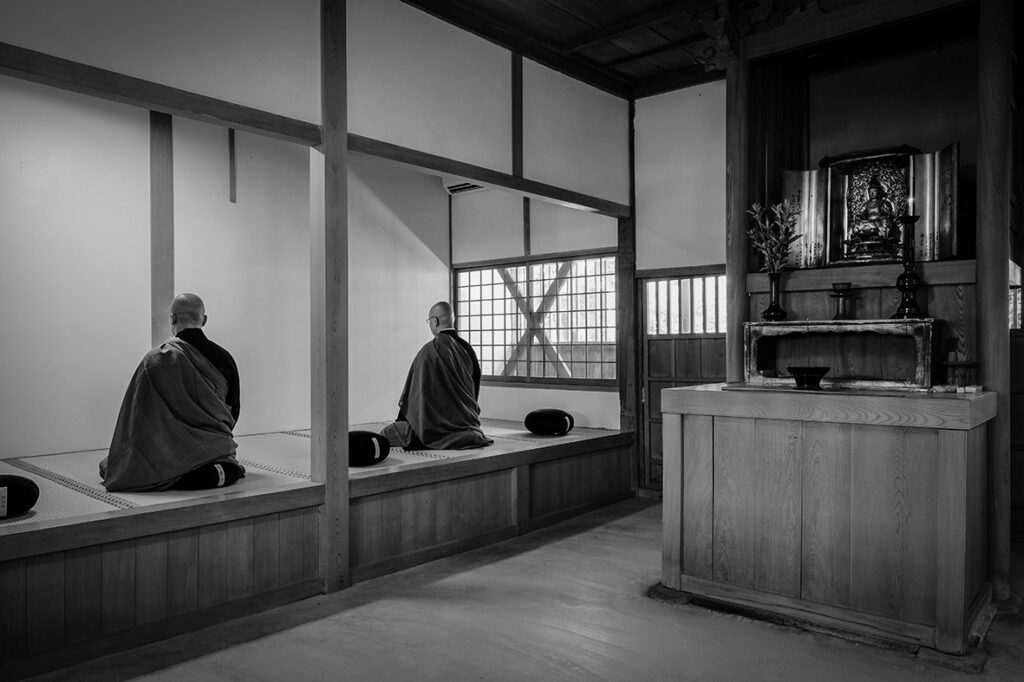
Osaka – Meditation room, Daiko Monastery
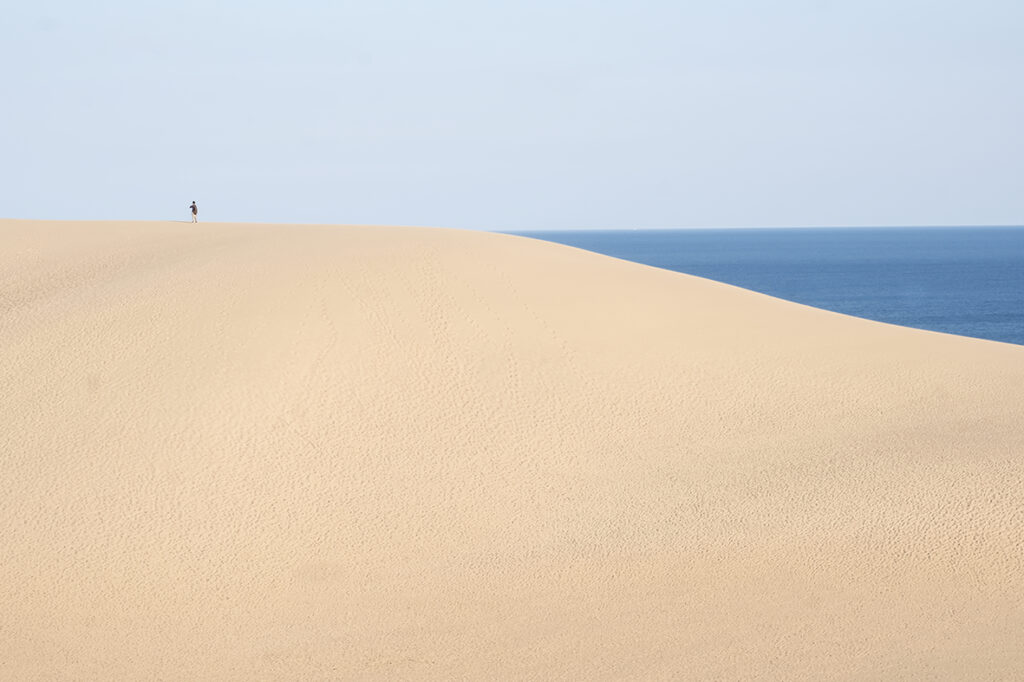
Tottori sand dunes for TTK Travel, Japan
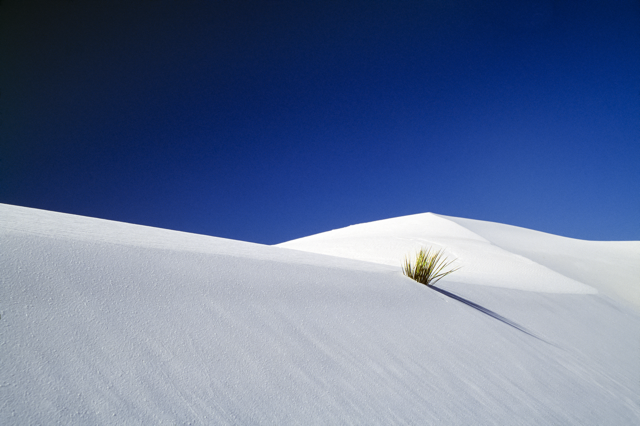
Poster – White Sands Nat’l. Park, New Mexico
Technique evolves. Tools change. We have moved from darkrooms to digital workstations, from dodging and burning to limitless post-production capability. And now we enter the era of AI, another powerful frontier.
Yet the principle remains unchanged: the image must stand on its own.
If a photograph depends on excessive correction beyond what would once have been done in a darkroom, its foundation may not be strong enough. Technology should refine vision, not replace it.
Photography is not a competition. It is a discipline of seeing.
In my work, and in my mentorship, I emphasize clarity of vision, intentional composition, and authenticity of moment. I encourage photographers to study the masters, such as Henri Cartier-Bresson and Fan Ho, not to replicate their images, but to understand how deeply they observed the world.
Because in the end, everything begins there: With how you see.
バイオグラフィー
私が4歳のとき、父からブラウニー・インスタマチックを手渡されたのが、私の写真人生の始まりです。そのカメラは今でも大切に手元にあります。
6歳になる頃にはニューヨークの写真コンベンションに足を運び、写真への情熱は確かなものになりました。
幼い頃に芽生えたその情熱は、生涯をかけたビジュアル・ストーリーテリングへと発展しました。建築を学び、大学院で研鑽を積む中で、私の写真観は単なる技術を超え、構造・デザイン・物語性へと広がっていきました。これらの要素は、現在の仕事の核となっています。
キャリアは国際的な舞台へと広がり、ニューヨークを拠点にエールフランスの契約フォトグラファーとして活動を開始しました。コンコルド就航記念の公式撮影をはじめ、日本、東南アジア、ヨーロッパ各地での長期プロジェクトに携わりました。こうした経験を通じて、文化を越えて柔軟に対応しながら、視覚的に魅力的であり、かつ戦略的意図を備えたイメージを創り出す力を培いました。
私のトラベルフォトは主要エージェンシーにより代表され、世界的な旅行・ライフスタイル媒体にも掲載されています。その後、ニューヨークの主要広告代理店でアートディレクターとしても活動し、ブランド戦略の中でビジュアルが果たす役割を深く理解するようになりました。
フォトグラファーとアートディレクター、両方の視点を持つことで、創造的直感と商業的明確性を兼ね備えたアプローチが可能となっています。
フィジーやニュージーランドの観光局との仕事をはじめ、アジア各地でのプロジェクト、そしてサイゴンに数年間居住しての活動を通じて、洗練された感性を持つオーディエンスに響く、本物の瞬間を捉えてきました。デスティネーション、食文化、地域の物語を記録するにあたり、常に大切にしているのは、臨場感と没入感、そして品格を備えたイメージを創り出すことです。
現在も観光局やトラベルブランド、ホスピタリティ関連企業と協働し、思慮深いストーリーテリングと文化への敬意、そして洗練されたビジュアル表現を提供し続けています。
また、撮影業務に加え、フォトグラファーの育成や写真コミュニティへの貢献にも力を注いでいます。優れたビジョンは生み出すだけでなく、育むものでもあると考えているからです。
声明
私自身も含め、多くの人がフィルムで写真を学びました。そして多くの場合、それはモノクロでした。
私が最初に学んだ大切なことのひとつは、「トーンで見る」ということです。今でも一台のカメラはモノクロ設定にして、シャッターを切る前にその場の構造を確認しています。モノクロで成立する写真は、カラーでも成立します。しかし、その逆は必ずしもそうとは限りません。
建築の訓練は、構図や空間関係に対する私の感覚をさらに研ぎ澄ませました。構造、バランス、視覚的リズムは後付けの要素ではなく、写真の土台です。私にとって、構図は今もなお写真における最も重要な要素です。
しかし、構図の先には、さらに大切な問いがあります。
その写真は何を語っているのか。
どんな物語を伝えているのか。
技術は進化し、道具も変わりました。暗室作業からデジタルワークステーションへ。覆い焼きや焼き込みから、無限に近いポストプロダクションの可能性へ。そして今、私たちはAIという新たな領域に入っています。
それでも原則は変わりません。
写真は、それ自体で成立していなければならないのです。
かつて暗室で行っていた以上の大幅な修正を必要とするのであれば、その写真の基礎が十分ではないのかもしれません。テクノロジーはビジョンを補強するものであって、置き換えるものではありません。
写真は競技ではありません。
それは「見る」という行為の鍛錬です。
私の仕事においても、そしてメンタリングにおいても、重視しているのは、明確なビジョン、意図ある構図、そして瞬間の真実性です。
アンリ・カルティエ=ブレッソンやファン・ホーのような巨匠たちを学ぶことを勧めていますが、それは模倣するためではなく、彼らがどれほど深く世界を観察していたかを理解するためです。
なぜなら、すべてはそこから始まるからです。
あなたが、どう見るか――そこから。